
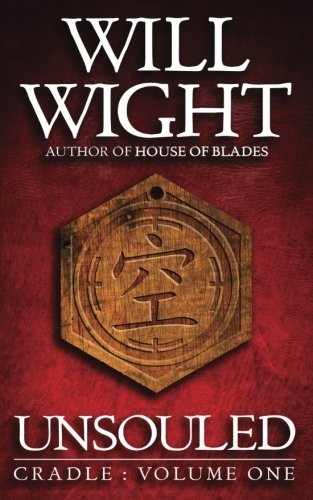
CultivationCompleted
2016–2023Cradle
Will Wight
Foundation to Monarch. Focused cultivation, constant momentum, and almost no filler.
Fast-PacedTournament ArcUnderdog Start
Opening article…
Editorial
Progression fantasy is built around measurable growth in power. Here is what defines the genre, how it differs from regular fantasy, and where to start.
Most fantasy heroes get stronger. In progression fantasy, getting stronger is the story.
That is the simplest definition we use when deciding what belongs in this catalog. A progression fantasy is a story where the protagonist's power grows in visible, measurable steps — levels, ranks, realms, stages, tiers — and that growth is the engine that drives the plot from book to book. You can usually point at a page and say exactly where the hero stands on the ladder, and exactly what the next rung is.
1. A legible power system. The rules of power are explained, consistent, and ranked. In Cradle, sacred artists advance through named stages from Copper to Iron to Jade and far beyond. In He Who Fights with Monsters, adventurers climb from iron rank to bronze, silver, gold and diamond. The reader always knows the shape of the ladder.
2. Growth that is earned on the page. Breakthroughs come from training, insight, risk, crafting or clever use of the rules — not from a prophecy finally kicking in. The satisfaction of the genre comes from watching effort convert into power.
3. Sustained progression across the series. A single training montage does not make a book progression fantasy. The climb has to continue, volume after volume, and the stakes have to scale with it.
This is where our catalog is deliberately strict. A fantasy novel does not qualify because its hero becomes more skilled over time — almost every hero does. A LitRPG does not qualify just because it has stat screens; if the numbers are decoration and the character never meaningfully advances, it is a game story, not a progression story. We would rather turn a borderline series away than make the catalog look bigger.
Progression fantasy is an umbrella. The power system is what separates its sub-genres:
We break the differences down in more detail in Progression Fantasy vs LitRPG vs Cultivation.
Progression fantasy scratches the same itch as levelling a character in a game or watching your own skills compound: visible progress is deeply satisfying. Our catalog data shows something else readers notice — the best progression series tend to get better as they go. On our Goodreads snapshot, Cradle's first book averages 4.14 while its final volume sits at 4.61. That pattern repeats across many of the genre's favourites, partly because payoffs compound and partly because the readers who stay are the ones the series won over.
If you are brand new, these are the three we point people to most often:
Will Wight
Foundation to Monarch. Focused cultivation, constant momentum, and almost no filler.
Twelve books, finished, and built entirely around a clear advancement ladder. It is fast, funny, and the purest expression of the genre's appeal.
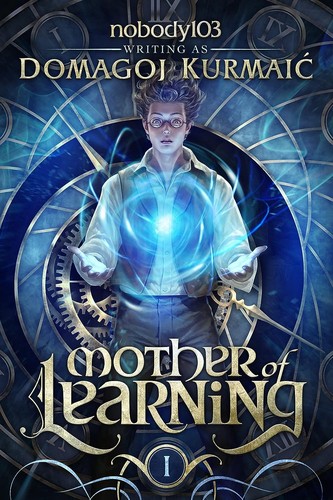
Domagoj Kurmaić
A time loop at a mage academy where every reset brings measurable growth.
A magic-academy student trapped in a month-long time loop, getting a little stronger and a lot smarter with every restart. Complete in four books.
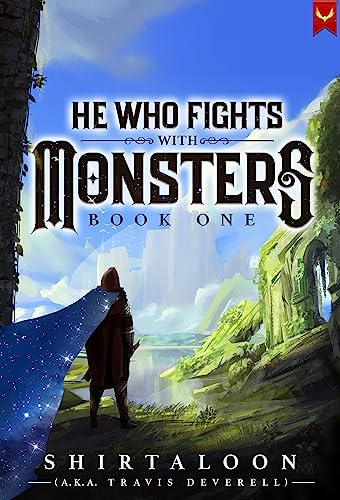
Travis Deverell (Shirtaloon)
An Australian retail manager is transported to a magical world, gaining suspiciously sinister abilities and climbing through essence ranks.
The definitive essence-ability LitRPG: an irreverent protagonist, a deep rank system, and thirteen books to sink into.
When you are ready for more, our beginner's starting list covers ten entry points across every sub-genre, and the full catalog lets you filter to completed series only.
 Goodreads
 Royal Road
 Patreon